
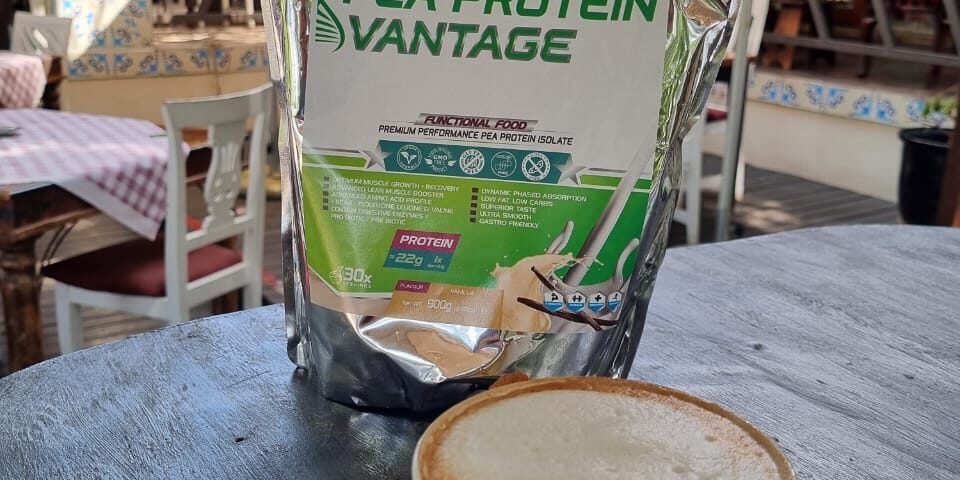
Over the past few years, South Africa has seen a clear shift in how people think about protein. While meat is still a major part of local food culture (especially braai culture), more consumers are actively choosing plant-based protein alternatives for health, cost, environmental, and lifestyle reasons.
This isn’t a niche trend anymore — it’s a growing movement in supermarkets, restaurants, and fitness communities.
1. Health and Wellness is Driving the Shift
One of the biggest reasons South Africans are switching to plant-based protein is health awareness.
Many consumers are now more conscious of:
- Heart health and cholesterol levels
- Weight management
- Reducing processed and high-fat meat intake
Plant-based proteins (like pea protein, soy, beans, and lentils) naturally contain:
- No cholesterol
- Higher fibre content
- Plant nutrients and antioxidants
Research and local industry reporting show that many South Africans are reducing meat intake for health reasons, not necessarily cutting it out completely — a “flexitarian” approach is becoming more common.
2. Rising Food Prices Are Changing Buying Behaviour
Cost is one of the strongest real-world drivers in South Africa right now.
With meat prices rising significantly, many households are looking for more affordable protein sources.
- Beans, lentils, and peas deliver high protein at a lower cost per gram
- Plant proteins can stretch further in meals
- Bulk plant-based staples reduce grocery spending pressure
In fact, comparisons show that beans can cost far less per gram of protein than beef, making them an attractive everyday alternative.
For many families, plant-based protein isn’t just a lifestyle choice — it’s a budget decision.
3. Environmental Awareness is Growing
Sustainability is becoming a bigger consideration, especially among younger consumers.
Plant-based protein is often chosen because it generally:
- Uses less land and water than animal agriculture
- Produces lower greenhouse gas emissions
- Reduces pressure on natural resources
Globally and locally, sustainability is one of the key forces pushing demand for alternative proteins.
As climate awareness grows in South Africa, more people are aligning their diets with environmental values.
4. More Plant-Based Options in Stores and Restaurants
Availability plays a huge role in food choices.
A few years ago, plant-based protein was hard to find. Now:
- Major supermarkets stock plant-based meat alternatives
- Fast food chains offer vegetarian and vegan options
- Health stores and gyms promote protein powders and supplements
Retailers in South Africa have reported strong growth in demand for plant-based products, with more shelf space being allocated to meat alternatives.
Simply put:
People eat what is easy to access — and plant-based is now easy to find.
5. Fitness and High-Performance Nutrition
Plant-based protein is no longer seen as “low protein” or incomplete.
Modern plant proteins like:
- Pea protein
- Soy protein
- Rice protein blends
are widely used in:
- Gym supplements
- Protein shakes
- Recovery formulas
The rise of functional nutrition means consumers want:
- Clean ingredients
- Digestibility
- Lean protein without excess saturated fat
This is especially popular among younger gym-goers and endurance athletes.
6. Flexitarian Lifestyle is Becoming the Norm
Very few people are going 100% vegan or vegetarian.
Instead, most South Africans are adopting a flexitarian lifestyle, meaning:
- Eating meat occasionally
- Replacing some meals with plant-based options
- Reducing overall meat consumption without strict rules
This “balance approach” is one of the strongest drivers of plant-based protein growth in the country.
7. Better Taste and Product Innovation
Early plant-based products often had a reputation for poor taste or texture.
That has changed.
Today’s plant-based proteins are:
- More flavourful
- Better textured (especially meat alternatives)
- Designed for real cooking use (burgers, mince, sausages)
Food innovation is making it easier for people to switch without feeling like they are missing out.
8. Awareness of Lifestyle Diseases
Conditions such as:
- High cholesterol
- Type 2 diabetes
- Heart disease
are increasingly common in South Africa.
As awareness grows, many people are shifting toward diets that are:
- Lower in saturated fat
- Higher in fibre
- More plant-focused
Plant-based protein fits naturally into this lifestyle approach.
9. Influence of Global Health and Fitness Trends
Social media, fitness influencers, and global wellness trends are also shaping South African habits.
Consumers are being exposed to:
- Protein-rich plant-based diets
- Vegan athletes and fitness models
- “Clean eating” lifestyles
This has helped normalise plant-based protein as a mainstream choice rather than a niche alternative.
Key Takeaway
South Africans are not just “going vegan” — they are:
- Eating smarter
- Spending more consciously
- Choosing flexible, healthier protein options
- Exploring plant-based alternatives for everyday meals
Plant-based protein is growing because it sits at the intersection of health, affordability, sustainability, and convenience.
FAQ: Plant-Based Protein in South Africa
1. Is plant-based protein as good as animal protein?
Yes — many plant-based proteins provide all essential amino acids when combined properly or formulated as blends (like pea and soy protein).
2. Why are South Africans switching to plant protein?
Main reasons include health concerns, rising food prices, environmental awareness, and better availability of plant-based products.
3. Can I build muscle on plant-based protein?
Yes. With enough total protein intake and quality sources like pea or soy protein, muscle growth is fully achievable.
4. Is plant-based protein cheaper than meat?
In many cases, yes. Staples like beans, lentils, and peas often provide protein at a lower cost per gram than meat.
5. What are the best plant-based protein sources?
Soy, pea protein, lentils, chickpeas, beans, quinoa, and blended plant protein powders are among the best options.
6. Do South Africans prefer vegan or flexitarian diets?
Most are flexitarian — reducing meat rather than eliminating it completely.
7. Is plant-based protein just a trend?
No — it is a long-term dietary shift driven by health, economics, and sustainability.