
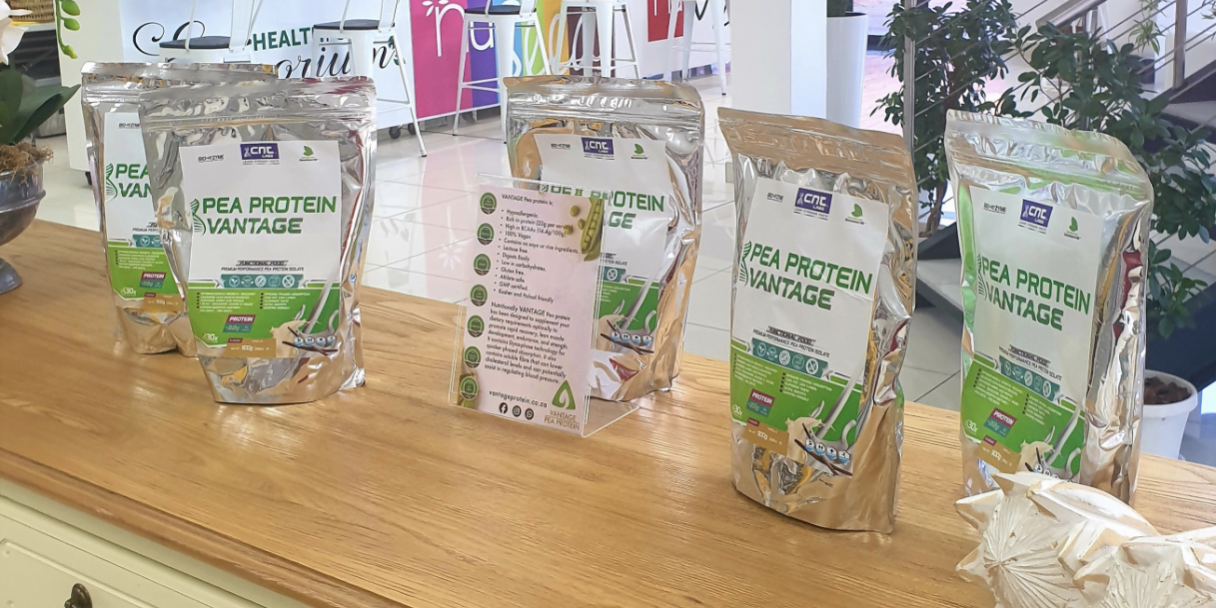
Plant-based protein has become one of the fastest-growing nutrition trends worldwide, and for good reason. It is no longer limited to athletes or vegans — it is now widely used by everyday people looking for a healthier, more balanced approach to nutrition.
Whether your goal is improved energy, better digestion, weight management, or simply a cleaner diet, plant-based protein can play an important role in supporting overall health.
This guide explores the key benefits of plant-based protein for everyday health, how it works in the body, and why more people are making the switch.
What Is Plant-Based Protein?
Plant-based protein is protein derived from plant sources such as peas, rice, hemp, soy, and legumes. One of the most popular modern sources is pea protein, which is made by extracting protein from yellow split peas.
Unlike many animal-based proteins, plant-based protein products are typically:
- Dairy-free
- Lactose-free
- Often easier to digest
- Lower in saturated fat
- Suitable for vegan and vegetarian diets
Plant-based protein powders are commonly used in smoothies, shakes, baking, and meal replacements.
1. Supports Everyday Energy Levels
Protein plays a key role in maintaining steady energy throughout the day. Unlike sugar-heavy foods that cause energy spikes and crashes, protein helps slow digestion and provides a more stable release of energy.
Plant-based protein can support:
- Better focus during the day
- Reduced afternoon energy crashes
- More consistent appetite control
- Improved daily productivity
This makes it useful not only for athletes, but also for students, professionals, and busy parents.
2. Aids Muscle Maintenance and Recovery
Protein is essential for repairing and maintaining muscle tissue. Every day, your body naturally breaks down and rebuilds muscle, even without intense exercise.
Plant-based protein supports:
- Muscle repair after physical activity
- Maintenance of lean muscle mass
- Recovery after workouts or physical work
- Healthy ageing and mobility
It is especially useful for people who want a lighter alternative to dairy-based protein powders.
3. Easier Digestion for Many People
One of the biggest advantages of plant-based protein is digestibility. Many people experience bloating, discomfort, or heaviness with whey or dairy-based proteins.
Plant-based options are often:
- Lactose-free
- Gentler on the stomach
- Less likely to cause bloating
- Suitable for sensitive digestive systems
This makes them a practical option for everyday use without discomfort.
4. Supports Weight Management Goals
Protein is known to increase feelings of fullness, which can help reduce unnecessary snacking and overeating.
Plant-based protein may support:
- Appetite control
- Reduced cravings between meals
- Better portion control
- Balanced calorie intake
When combined with a healthy lifestyle, it can be a helpful tool for weight management without restrictive dieting.
5. Contains Essential Nutrients from Natural Sources
Plant-based protein sources often come with additional nutrients such as:
- Fibre
- Iron
- Magnesium
- Potassium
- Antioxidants
These nutrients contribute to overall wellness beyond just protein intake, supporting heart health, digestion, and immune function.
6. Suitable for a Wide Range of Diets
Plant-based protein is highly versatile and inclusive. It is suitable for:
- Vegans and vegetarians
- Lactose-intolerant individuals
- People reducing dairy intake
- Health-conscious lifestyles
- General wellness routines
This flexibility makes it easy to incorporate into almost any diet without major changes.
7. Environmentally Conscious Choice
Plant-based protein generally has a lower environmental footprint compared to animal-based protein sources.
It typically requires:
- Less water usage
- Lower greenhouse gas emissions
- Reduced land usage
For many consumers, this adds an ethical and environmental benefit to their health choices.
8. Easy to Use in Everyday Life
One of the biggest advantages is convenience. Plant-based protein can be easily added to daily meals such as:
- Smoothies and shakes
- Breakfast oats
- Protein pancakes
- Baking recipes
- Post-workout drinks
This makes it a simple habit rather than a complicated dietary change.
Who Should Consider Plant-Based Protein?
Plant-based protein is suitable for a wide range of people, including:
- Busy professionals needing consistent energy
- Fitness enthusiasts and gym users
- Individuals with lactose intolerance
- People looking for healthier dietary alternatives
- Anyone wanting to increase daily protein intake
It is not limited to any specific lifestyle or fitness level.
How to Use Plant-Based Protein Daily
A simple way to include plant-based protein in your routine is:
- Morning: Add to a smoothie or oats
- Post-workout: Mix with water or plant milk
- Snack time: Blend into fruit shakes
- Baking: Add to pancakes or muffins
Consistency is more important than timing — the goal is to support daily nutrition.
Final Thoughts
Plant-based protein is more than just a fitness supplement. It is a practical, everyday nutrition tool that supports energy, digestion, muscle maintenance, and overall wellness.
As more people shift toward healthier and more balanced lifestyles, plant-based protein continues to grow as a reliable and accessible option for daily health support.
Whether your goal is fitness, weight management, or general wellbeing, plant-based protein can fit seamlessly into your routine.
Frequently Asked Questions (FAQ)
What is plant-based protein good for?
Plant-based protein supports muscle maintenance, energy levels, digestion, and overall daily nutrition.
Is plant-based protein better than whey protein?
It depends on individual needs. Plant-based protein is often easier to digest and suitable for dairy-free diets, while whey is animal-based.
Can you use plant-based protein every day?
Yes, plant-based protein can be safely used daily as part of a balanced diet.
Does plant-based protein help with weight loss?
It may support weight management by increasing fullness and reducing snacking when combined with a healthy lifestyle.
Is plant-based protein suitable for non-vegans?
Yes, many non-vegans use plant-based protein for digestion, health benefits, and dietary variety.